Why Bay Area Rents Are Rising So Quickly While Home Prices
Have Stalled
If you own rental property in Silicon Valley, you may have noticed a significant change in the rental market this year. After several years of relatively modest rent growth, rents have gone up considerably in 2026.
The numbers are striking.
According to Apartment List, the median rent in San Jose reached
$3,132 in September 2026, an increase of
6.5% from a year ago. Even more notable, San Jose rents have increased
9.7% since the beginning of 2026.
For comparison:
• San Jose rents:
+6.5% year-over-year
• California rents:
+1.8%
• U.S. rents:
-0.8%
In other words, while rents have actually declined slightly nationwide, San Jose is experiencing one of the stronger rental markets in the country.
So why is this happening?
The Gap Between Renting and Buying Has Become Enormous
For much of the last decade, Bay Area home prices appreciated significantly. Rents increased too, but they did not always keep pace with the rising cost of purchasing a home.
Today, we’re beginning to see the consequences.
The typical San Jose home is now valued at approximately
$1.39 million, according to Zillow. Despite the strong rental market, San Jose home values are actually
down approximately 1.1% over the past year.
At the same time, mortgage rates remain high. As of late August, the average 30-year fixed mortgage rate was approximately
6.66%, according to Freddie Mac.
Consider a household purchasing a $1.5 million home with 20% down.
A $1.2 million mortgage at 6.66% would result in principal and interest payments of approximately
$7,700 per month. Add property taxes, insurance and maintenance, and the true monthly cost of ownership can easily exceed
$9,000 per month—before
considering an HOA fee. A similar property might rent for $4000-5000 per a month, with the renter not having to pay for maintenance, repairs, property taxes, and insurance.
The slowdown in home-price appreciation has also changed the rent-versus-buy calculation. During periods when Bay Area home values were rising rapidly, buyers could justify paying a significant monthly premium to own because they were building equity and benefiting from appreciation. With home prices now relatively flat, that incentive is less compelling. When a comparable home costs thousands of dollars more per month to own than to rent, and buyers can no longer assume significant near-term appreciation, renting becomes a much more attractive financial decision—even for households that can afford to buy.
Lately we’ve seen an influx of applicants with combined household incomes ranging from 800k to more than a million dollars per a year applying to renovated rentals in desirable neighborhoods.
The Rental Pool Is Changing
This is one of the biggest changes we are seeing.
The Bay Area rental market isn’t simply being driven by people who cannot qualify to purchase a home. Increasingly, it includes professionals and families who could potentially purchase but have decided that buying at today’s prices and interest rates doesn’t make financial sense.
That is particularly important for owners of single-family rental homes.
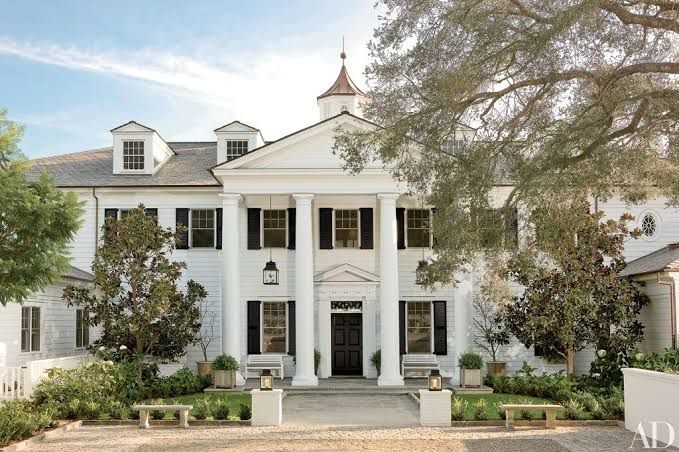
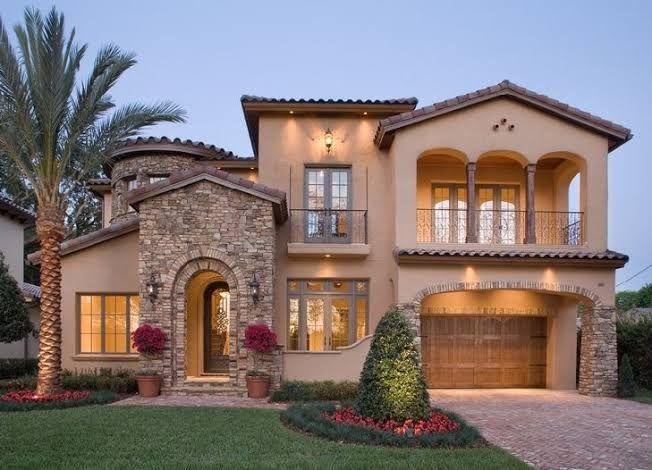
A family considering a $1.5 million to $3.5 million home may instead choose to rent a high quality home in Cupertino, Sunnyvale, Mountain View, Campbell, Los Gatos, Willow Glen or another desirable neighborhood.
But there is a limited supply of updated single-family rental homes in these areas, especially updated ones.
More affluent renters competing for limited inventory naturally puts upward pressure on rents.
We’re Also Seeing a “Flight to Quality”
Not every rental property is benefiting equally.
One of the clearest trends we have observed at Yuan Properties is the premium tenants are willing to pay for homes that are recently renovated and move-in ready.
Updated kitchens, remodeled bathrooms, attractive flooring, air conditioning, modern lighting and well-maintained landscaping have become increasingly important— particularly to higher-income tenants.
In some cases, we have seen renovated single-family homes rent for
as much as $1,500 per month more than otherwise comparable homes.
That doesn’t mean every property should undergo a major renovation. However, it does mean owners should think carefully about improvements when a property becomes vacant.
In today’s market, the difference between an average rental and a highly desirable rental can translate into a substantial difference in monthly income.
Meanwhile, the Bay Area Housing Market Is Splitting in Two
There is another unusual trend occurring simultaneously.
While much of the traditional housing market has slowed because of affordability and high mortgage rates, the luxury market has remained remarkably strong.
Redfin recently analyzed Bay Area home-price appreciation by price tier during the AI boom.
From 2023 through 2025, average median home-price growth by Bay Area ZIP-code price tier was:
•
$3.1M–$7.6M: +13.4%
•
$1.5M–$2.8M: +6.3%
•
$1.1M–$1.5M: +5.7%
•
$650K–$1.1M: +1.3%
•
$535K–$615K: -3.8%
The most expensive Bay Area neighborhoods appreciated more than
twice as fast as the next-highest price tier.
Redfin attributes much of this difference to the tremendous amount of wealth being created by AI companies, and highly compensated technology employees.
This has created something of a two-speed housing market.
At the very top, wealthy buyers remain active and are considerably less sensitive to mortgage rates.
Below that level, many middle- and upper-middle-income households face a very different calculation. The cost of buying has become so high relative to renting that remaining a renter can make financial sense.
What Does This Mean for Rental Property Owners?
We don’t believe the recent acceleration in rents can be explained simply by inflation.
There appears to be a larger structural change occurring in Silicon Valley housing.
Home prices increased dramatically over the previous decade. Mortgage rates then increased substantially, making already-expensive homes considerably more expensive to finance. Meanwhile, rents did not increase at the same pace as the cost of homeownership.
The result is an unusually large affordability gap between renting and buying.
That gap is keeping households in the rental market longer and bringing higher-income households into competition for desirable rental properties—particularly renovated single family homes in good neighborhoods and school districts.
For rental property owners, this creates both an opportunity and a reason to be strategic.
The highest rent increase isn’t necessarily achieved simply by raising the asking rent every year. Maintaining the property well, making the right improvements between tenants and positioning the home correctly when it becomes available can have an increasingly significant impact on its rental value.
The rental market is strong, but the strongest demand appears to be increasingly concentrated in quality.
If you have any questions or comments about the Bay Area rental market feel free to reach out to us.
Spencer Yuan
Owner/Broker
408-892-1720
spencer@yuanpropeties.com
Yuanproperties.com
Sources: Apartment List September 2026 San Jose Rent Report; Zillow San Jose Housing Market data through July 2026; Freddie Mac Primary Mortgage Market Survey, August 2026; Redfin analysis of Bay Area MLS data.